All Categories
Featured
Table of Contents
The platform measures indicators such as focus time, conference load, partnership intensity, and responsiveness. These signals help organizations examine whether employees have sufficient uninterrupted time to carry out core work and whether partnership is enabling or hindering performance. By examining these patterns with time, Worklytics allows organizations to spot patterns that directly affect business productivity, consisting of growing meeting overhead, increasing after-hours work, or decreasing execution capacity.
The Benefits of Automated Cost Governance for Australian CFOsWorklytics enables benchmarking across teams, departments, and time periods, supplying a clear view of efficiency circulation within the company. Leaders can recognize which operating models support higher output and which introduce friction. Test report of Worklytics in Workplace Analytics BenchmarksTrend analysis permits organizations to track whether efficiency is enhancing or degrading as business scales, restructures, or embraces new tools.
Worklytics is constructed with enterprise personal privacy requirements as a foundational concept. All productivity information is aggregated and anonymized, with no individual-level reporting and no access to message or file content. Just metadata is evaluated to comprehend work patterns at scale. Privacy design of WorklyticsThis design makes sure that performance measurement stays concentrated on systems and workflows rather than individual monitoring.
Boosting Cloud Efficiency Metrics and ROI
Worklytics supports significant enterprise personal privacy and information protection requirements, making it appropriate for worldwide companies. Worklytics is not limited to reporting metrics. Its control panels are designed to support decision-making by linking productivity patterns to organizational results. Leaders can assess the effect of operational modifications such as meeting policy adjustments, tooling consolidation, or workload rebalancing, and observe how efficiency responds.
Instead of counting on intuition or anecdotal feedback, companies can utilize Worklytics data to make targeted, evidence-based changes that enhance enterprise efficiency gradually. Worklytics enables organizations to determine business productivity where it actually lives: in how work streams throughout teams, tools, and time. By concentrating on execution capability, collaboration effectiveness, and focus preservation, the platform offers a useful foundation for improving productivity at scale.
The Benefits of Automated Cost Governance for Australian CFOsBusiness productivity determines how efficiently a company transforms labor and resources into service output. Organizations that actively measure efficiency consistently outshine those that do not.
Understanding work need to be determined through outcome-based signs rather than activity. Relevant metrics include finished deliverables, progress versus objectives, quality of output, and service effect.
Why Infrastructure Metrics Are Critical for 2026
Increase operational efficiency to avoid costing your company 5 to 25 percent of sales earnings. Business with strong functional effectiveness achieve 25 percent greater development and 75 percent greater productivity than rivals. Systematically identifying bottlenecks through value stream mapping and cross-functional collaboration develops instant opportunities to get rid of waste and improve operations.
Establishing appropriate KPIs and continually keeping track of procedure performance develops a framework for sustainable enhancement. There are concrete, measurable financial effects stemmed from a process excellence program and increasing functional effectiveness. Ineffective administrative and unproductive processes can cost an organization 5 to 25 percent of sales with the prospective to reach as high as 30 percent revenue loss.
A process excellence routine inproves a business's monetary efficiency with concrete, measurable results. While many companies concentrate on market versatility and item innovations, the most considerable financial gains frequently come from enhancing existing operations through structured procedure enhancement. Harvard Business Review research study reveals that companies with strong operational effectiveness can achieve 25 percent greater development and 75 percent higher efficiency than competitors.
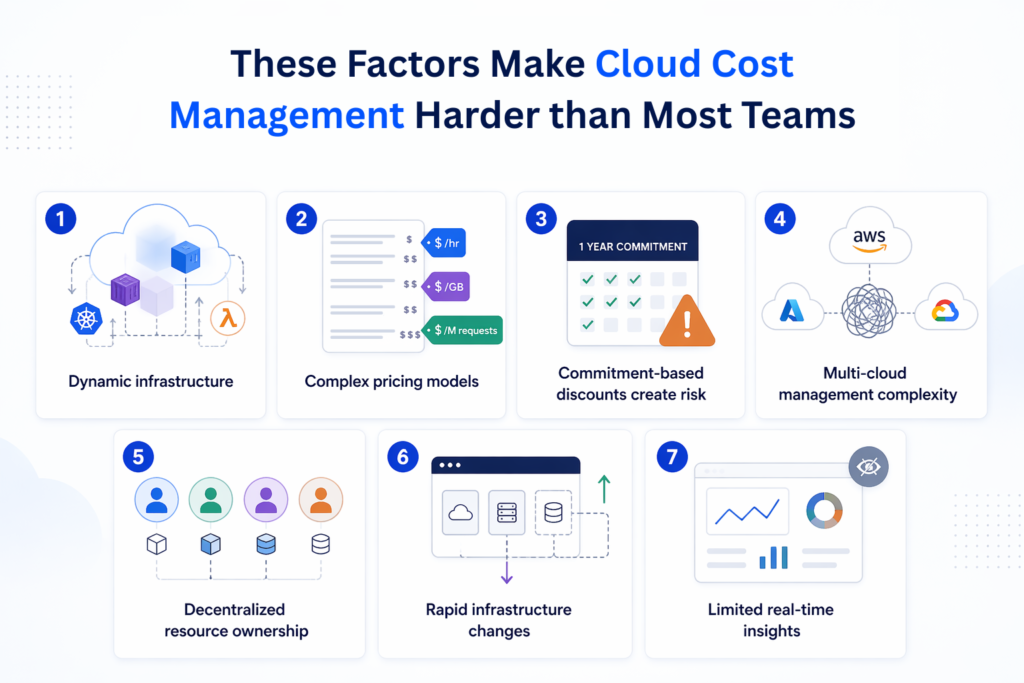
It straight translates to enhanced financial performance by decreasing waste, expediting work, and cutting costs across labor, resources and operations. Process quality focuses on numerous areas, including process enhancement techniques, problem-solving, modification management, performance and performance, and culture. By learning where sloppiness and lack of organization impede processes, and after that getting rid of those faults, process quality saves cash on labor, mistake decrease, resources, and operational expenses all to the advantage of profitability.
To enhance your organization's financial performance through functional performance, follow these six steps. Start by adequately examining your crucial business procedures to determine which existing procedures are inefficient.
Next-Generation Enterprise Budget Governance
Increase operational effectiveness to prevent costing your organization 5 to 25 percent of sales profits. Business with strong functional efficiency achieve 25 percent higher development and 75 percent higher productivity than rivals. Systematically recognizing traffic jams through value stream mapping and cross-functional collaboration produces immediate opportunities to get rid of waste and enhance operations.
Developing appropriate KPIs and constantly keeping track of process efficiency creates a structure for sustainable improvement. There are concrete, quantifiable financial effects derived from a process quality regime and increasing operational effectiveness.
A procedure quality regime inproves a company's financial performance with tangible, measurable outcomes. While numerous companies focus on market adaptability and item innovations, the most substantial financial gains frequently come from enhancing existing operations through structured process improvement. Harvard Organization Review research reveals that companies with strong operational efficiency can obtain 25 percent greater development and 75 percent greater performance than competitors.
It directly equates to improved financial efficiency by minimizing waste, accelerating work, and cutting costs throughout labor, resources and operations. Process excellence focuses on several locations, including procedure enhancement strategies, problem-solving, modification management, performance and efficiency, and culture. By finding out where sloppiness and disorganization hinder procedures, and after that eliminating those faults, procedure quality conserves cash on labor, mistake decrease, resources, and operational expenses all to the advantage of success.
Maintaining Enterprise Cloud Efficiency for 2026
To enhance your company's financial efficiency through functional efficiency, follow these six actions. Start by adequately evaluating your key service procedures to determine which existing processes are inefficient.

Latest Posts
How to Control Cloud Costs in 2026
Critical KPI for IT Resource Management
Is Current Enterprise Budget Ready for 2026?