All Categories
Featured
Table of Contents
These instant notices empower IT and security professionals to examine and react to risks promptly, often before damage can take place. Tools like Splunk or Datadog, for example, permit organizations to tailor alert limits and automate actions, making it possible to alleviate threats while preserving the agile rate of cloud operations.
These sped up release cycles, while helpful for development and speed, introduce a continuous stream of prospective security dangers. Every code update, facilities change, or configuration modify creates a brand-new entry point that attackers might exploit. While extensive application security screening before implementation captures lots of concerns, it does not ensure complete security.
To deal with these evolving challenges, companies require robust methods that continuously keep an eye on for vulnerabilities and prioritize them based on risk. Solutions that handle application security posture play an essential function here: They help identify weak spots in cloud applications as quickly as they appear. Removal efforts can be prioritized, making sure that the most important risks are dealt with without delay.
Using Efficiency KPIs to Drive Cloud ROI
Compliance with market requirements, such as GDPR or HIPAA, is more quickly maintained. By embedding these practices into CI/CD pipelines, security ends up being a natural extension of hectic cloud advancement, supporting both operational agility and a strong security position. Switching from a patchwork of standalone security tools to a merged cloud-native application defense platform (CNAPP) delivers clear functional benefits.
With a CNAPP in place, security teams gain the capability to apply policies and controls throughout numerous cloud accounts, geographical areas, projects, and virtual networksall from a single pane of glass. This streamlined method not just speeds up reaction times however likewise improves visibility and consistency throughout environments. The end result? Less time invested in manual coordination and more resources maximized for higher-value priorities, boosting both efficiency and self-confidence in your security posture.
Moving Toward a Zero-Waste Cloud Environment in Australia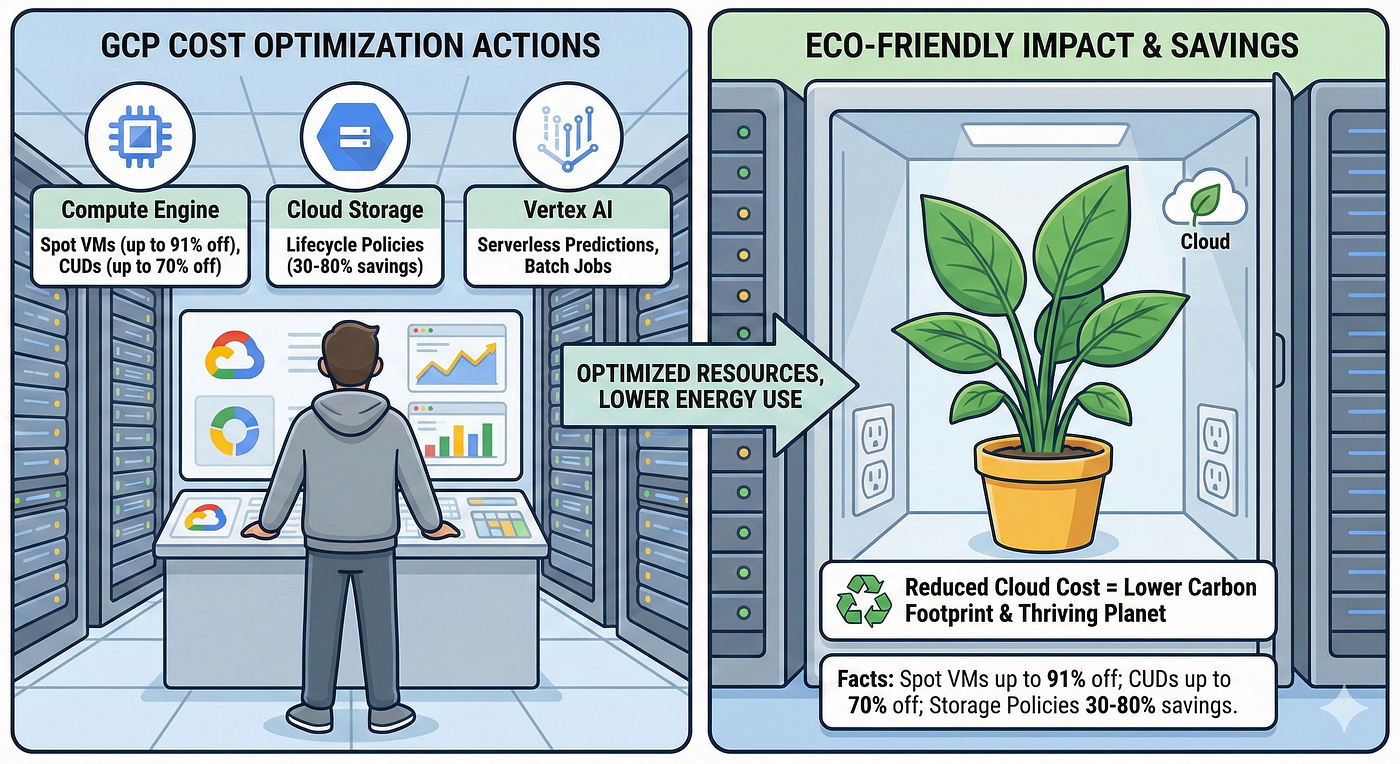
To ensure your team acts with optimum efficiency during security events, the plan ought to supply clear guidance and structure at every stage. Specify exactly who does what previously, throughout, and after an incident. This ensures that every group memberwhether from IT, security, or communicationsknows their part in the reaction process.
Fast notificationwhether through automated systems or designated contactshelps your team act quickly to include threats and decrease functional disruption. Provide detailed workflows for a range of event types. This might consist of lists or runbooks that detail examination, containment, removal, and healing procedures. Detail how to interact internally and externally with stakeholders, partners, or police (such as the FBI or local authorities), ensuring info is shared effectively and properly.
The Strategic Importance of AI in Real-Time Cost GovernanceThis assists fine-tune protocols for future occurrences and supports continuous enhancement. By embedding these parts into your incident reaction plan, you enable your security team to collaborate actions flawlessly, recuperate rapidly, and minimize the total impact of any security incident. Adopting a consolidated security platform can be a video game changer when it comes to improving operations and reducing intricacy in cloud environments.
Why IT Management Stays Vital for 2026 ROI
This centralized technique empowers protectors to see the larger picture. By keeping track of activities and risks across the entire cloud estate from a single dashboard, security groups can track foe motions and discover dangers without constantly switching in between multiple consoles or interfaces. The result is clearer, much faster insightno more piecing together different reports to understand what's taking place.
This implies organizations can attain broad presence and defense, even in locations where deploying conventional representatives is tricky. With everything connected into one constant interface, policies can be presented quickly across diverse accounts, projects, or areas, guaranteeing that security keeps pace with development. Possibly most notably, streamlining the security stack minimizes licensing headaches and functional overhead.
For business wanting to keep pace in an ever-evolving cloud landscape, this unified approach can be the linchpin that changes security from a twisted web into an effective, adaptable force. When a company embarks on a cloud migration journey, numerous important concerns require thoughtful factor to consider to ensure a smooth shift.
Will you retire, diminish, or transfer present assets? This decision can substantially impact your monetary strategies.: Examine if the cloud migration lines up with your cost-reduction goals. Assess its effect on your monetary declarations, particularly on your balance sheet.: Assess whether your existing applications are created for efficient cloud deployment.
: Guarantee that you have comprehensive presence throughout both your existing and brand-new cloud environments. Comprehending interdependencies at every stagepre-migration, during, and post-migrationis important for preserving functional integrity.: For companies moving from one cloud supplier to another, it's essential to develop a robust exit technique. This must deal with concerns around agreement terms, information ownership, supplier obligations, and the execution of post-migration cleanup.

Latest Posts
How to Control Cloud Costs in 2026
Critical KPI for IT Resource Management
Is Current Enterprise Budget Ready for 2026?